EndoFit topics

If coffee feels non-negotiable… I get it.
For many people, it’s the ritual that gets the day started.
But if you’re living with endometriosis — fatigue, pelvic pain, endo belly, mood swings — your daily brew might quietly be working against you.
Many people with endometriosis notice their symptoms worsen after caffeine.
So what’s actually happening in the body?
Caffeine does not cause endometriosis.
But endometriosis is an inflammatory, hormone-sensitive condition, and caffeine affects several systems that influence symptoms — including the nervous system, hormones, sleep, and digestion.
For some people, reducing caffeine may improve:
• pelvic pain
• bloating
• anxiety
• sleep quality
• energy stability
The key is understanding how caffeine interacts with the biology of endometriosis.
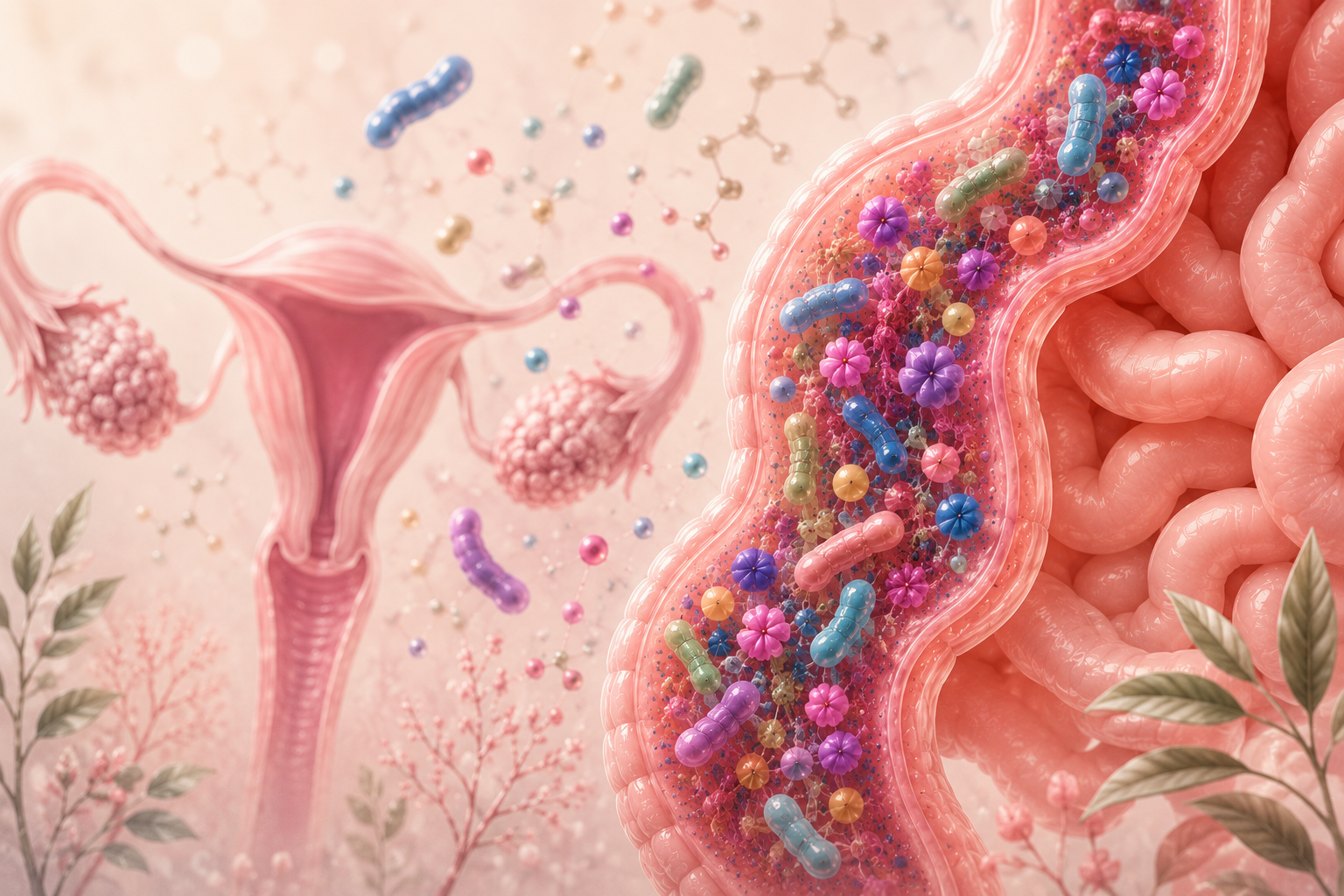
Endometriosis affects multiple body systems — including inflammation, hormones, digestion, and the nervous system.
Caffeine interacts with many of these systems at the same time.
Here are five ways it may influence symptoms.
Caffeine stimulates your fight-or-flight response.
Within minutes of drinking coffee, your body releases cortisol and adrenaline.
Short term, this increases alertness.
But repeated stimulation can leave the nervous system feeling wired, stressed, and depleted.
Chronically elevated cortisol may:
• disrupt hormonal signaling
• influence estrogen metabolism
• increase inflammatory activity
Because endometriosis lesions are estrogen-sensitive, changes in hormonal signaling may influence symptom flares.
Endometriosis is driven by chronic inflammation.
Caffeine activates the stress response, which may increase inflammatory signaling in some people.
Inflammation can:
• increase pelvic pain sensitivity
• amplify pain signals in the nervous system
• worsen flare intensity
Pain isn’t only structural.
It’s also neurological — meaning an overstimulated nervous system can make pain feel louder.
Calmer nervous system.
Calmer pain response.
Sleep is one of the most important systems for managing endometriosis symptoms.
Caffeine has a half-life of 5–7 hours, sometimes longer.
That afternoon coffee?
It may still be active in your body late in the evening.
Poor sleep can:
• increase inflammation
• worsen fatigue
• disrupt hormone regulation
• increase pain sensitivity
Many people report more stable energy after reducing caffeine.
Not buzzy energy.
Steady energy.
Big difference.
Digestive symptoms are extremely common in endometriosis.
Many people experience:
• bloating
• cramping
• IBS-like symptoms
• endo belly
Coffee can influence digestion by:
• stimulating bowel motility
• increasing stomach acid
• irritating sensitive gut lining
For people with digestive sensitivity, this may lead to:
• increased bloating
• abdominal discomfort
• digestive urgency
Because the gut and pelvis share nerve pathways, gut irritation can sometimes worsen pelvic symptoms.
Endometriosis doesn’t just affect the pelvis.
It can also affect the nervous system and mental wellbeing.
Caffeine increases stress hormones such as adrenaline.
In some people this can:
• heighten anxiety
• increase jitteriness
• worsen mood swings
• amplify stress responses
Chronic stress feeds inflammation.
Inflammation feeds pain.
It becomes a loop.
Symptoms like pain, fatigue, and endo belly rarely come from one single cause.
They usually reflect several systems interacting at the same time.
At Endo45 we describe this as the EndoFit Recovery Matrix, which includes:
• inflammation and immune signaling
• hormone balance
• gut health
• nervous system regulation
• metabolic stability
Caffeine can influence several of these systems simultaneously.
That’s why reducing it sometimes improves multiple symptoms at once.
Everyone’s body responds differently to caffeine.
That’s why the goal isn’t simply to eliminate coffee overnight — it’s to experiment and observe what actually changes in your body.
Inside the Endo45 app, we guide you through small habit shifts that support the biological systems involved in endometriosis.
This might include:
• gradually reducing caffeine
• improving sleep consistency
• stabilising energy with balanced meals
• calming nervous system stress
Instead of guessing what might help, Endo45 helps you test these changes step by step.
As habits improve, many users see changes reflected in their EndoFit Score — a measure of how well the key systems involved in endometriosis recovery are being supported.
Over time, this makes it easier to see which habits are actually helping your symptoms improve.
Small changes.
Clear feedback.
Real progress.
Caffeine does not cause endometriosis.
But it can influence several biological systems linked to symptoms, including:
• inflammation
• hormone signaling
• sleep quality
• gut sensitivity
• nervous system stress responses
Because these systems interact, reducing caffeine may help improve symptoms such as fatigue, bloating, anxiety, and pelvic pain for some people.
Tools like the Endo45 app can help track caffeine intake and identify patterns between lifestyle habits and symptom flares.
Some research suggests caffeine may influence estrogen metabolism, though results are mixed. Because endometriosis is estrogen-sensitive, monitoring caffeine intake may be helpful.
Decaf contains significantly less caffeine and may reduce stress hormone stimulation while allowing you to keep the coffee ritual.
Some people notice improvements in sleep or anxiety within 1–2 weeks, though inflammatory changes may take longer.
No. Endometriosis is a complex condition involving genetic, immune, and hormonal factors. Coffee does not cause the disease but may aggravate symptoms in some individuals.
Juliet Oliver is an engineer, endometriosis researcher, and founder of Endo45. After years of struggling with stage 4 endometriosis and medical dead ends, she created the Endo45 app to help women track symptoms, uncover patterns, and take back control of their health using science-backed strategies.
Ballard, K. D., Seaman, H. E., De Vries, C. S., & Wright, J. T. (2008). Can symptomatology help in the diagnosis of endometriosis? Findings from a national case-control study. BJOG, 115(11), 1382–1391.
Berkley, K. J., Rapkin, A. J., & Papka, R. E. (2005). The pains of endometriosis. Science, 308(5728), 1587–1589.
Bulun, S. E. (2019). Endometriosis. New England Journal of Medicine, 380(13), 1244–1256.
Burney, R. O., & Giudice, L. C. (2012). Pathogenesis and pathophysiology of endometriosis. Fertility and Sterility, 98(3), 511–519.
Clark, I., & Landolt, H. P. (2017). Coffee, caffeine, and sleep: A systematic review of epidemiological studies and randomized controlled trials. Sleep Medicine Reviews, 31, 70–78.
Finan, P. H., Goodin, B. R., & Smith, M. T. (2013). The association of sleep and pain: An update and a path forward. Journal of Pain, 14(12), 1539–1552.
Harel, Z. (2006). Dysmenorrhea in adolescents and young adults: From pathophysiology to pharmacological treatments. Journal of Pediatric and Adolescent Gynecology, 19(6), 363–371.
Lovallo, W. R., Whitsett, T. L., Al’Absi, M., Sung, B. H., Vincent, A. S., & Wilson, M. F. (2005). Caffeine stimulation of cortisol secretion across the waking hours in relation to caffeine intake levels. Psychosomatic Medicine, 67(5), 734–739.
Lovallo, W. R., Farag, N. H., Vincent, A. S., Thomas, T. L., & Wilson, M. F. (2006). Cortisol responses to mental stress, exercise, and caffeine in young men. Pharmacology Biochemistry and Behavior, 83(3), 441–447.
Nehlig, A. (2018). Interindividual differences in caffeine metabolism and factors driving caffeine consumption. Pharmacological Reviews, 70(2), 384–411.
Ramin-Wright, A., Schwartz, A. S. K., Geraedts, K., Rauchfuss, M., Wölfler, M. M., Haeberlin, F., von Orelli, S., Eberhard, M., Imthurn, B., Imesch, P., Fink, D., & Leeners, B. (2018). Fatigue – a symptom in endometriosis. Human Reproduction, 33(8), 1459–1465.
Zhang, T., De Carolis, C., Man, G. C. W., & Wang, C. C. (2018). The link between immunity, autoimmunity and endometriosis: A literature update. Autoimmunity Reviews, 17(10), 945–955.
Share this article


Subscribe to our newsletter for all the exclusive updates, articles and resources direct to your inbox.


.svg)

.png)