EndoFit topics
.svg)
If you’ve ever noticed your pain gets worse after a night out, you’re not imagining it.
Many people with endometriosis report increased bloating, cramping, pelvic pain, or fatigue after drinking — even from just one glass of wine.
Alcohol and endometriosis are more connected than most people realise.
Research shows alcohol intake is associated with increased inflammation and a higher risk of endometriosis.
For some people, even small amounts can trigger a flare.
I personally found that one glass of wine was enough to trigger pain and bloating. Removing it didn’t just change my symptoms — it changed how quickly I recovered.
So what’s happening in the body?
Alcohol does not cause endometriosis.
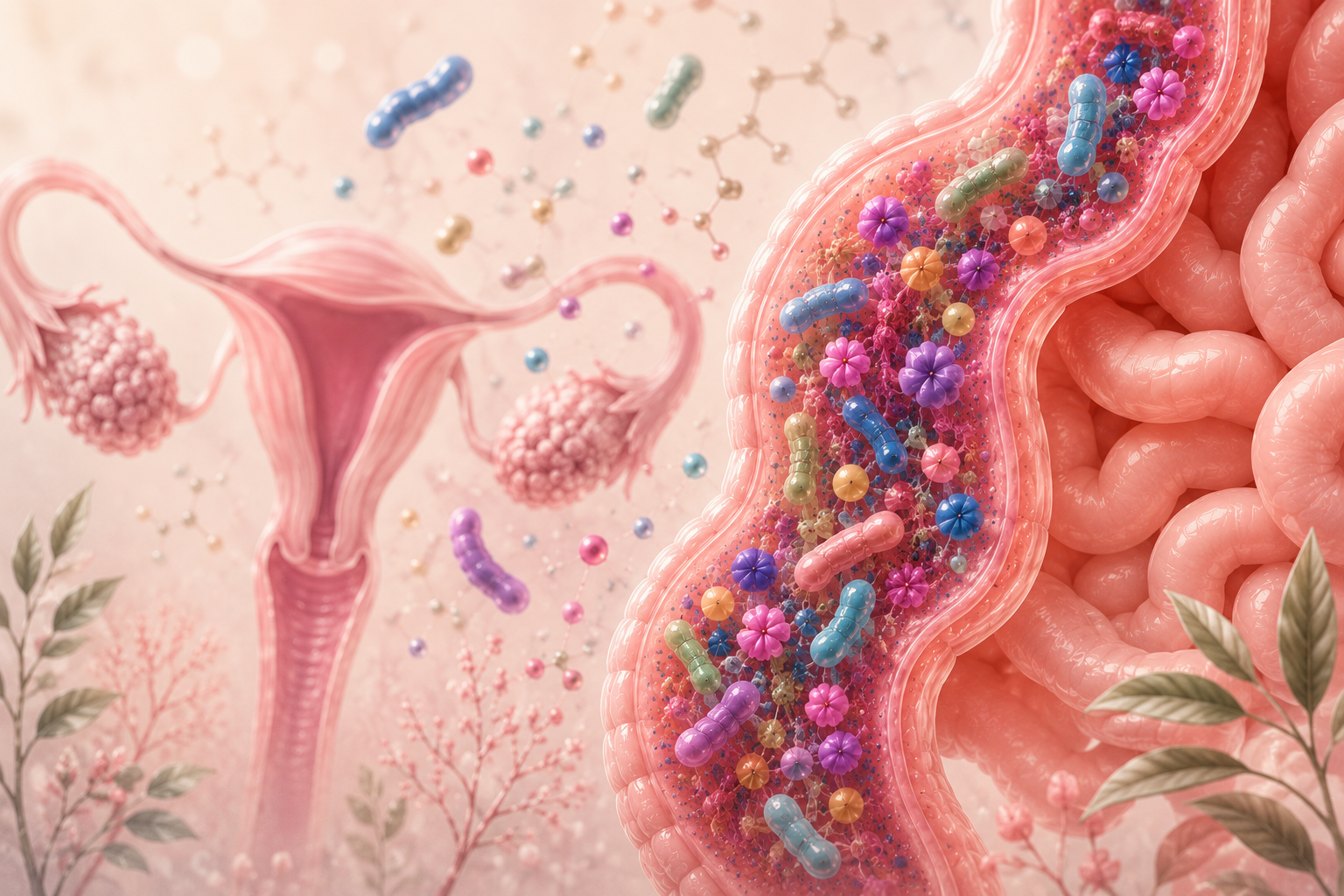
But endometriosis is an inflammatory, hormone-sensitive condition, and alcohol affects several biological systems linked to symptoms, including:
• systemic inflammation
• estrogen signalling
• liver hormone metabolism
• gut health
• sleep quality
When these systems are disrupted, symptoms like pain, fatigue, and bloating can flare.
As endometriosis specialist Dr. Tamer Seckin explains:
“Alcohol consumption can be a trigger for endometriosis-related pelvic pain, as it increases inflammation in the body.”
Let’s look at the biology behind this.
Endometriosis affects multiple body systems — including the immune system, hormones, digestion, and the nervous system.
Alcohol interacts with many of these systems at once.
Endometriosis is now recognised as a chronic inflammatory disease, not just a reproductive condition.
Alcohol increases inflammatory signaling in the body and may promote gut-derived inflammation.
Higher inflammation can lead to:
• swelling in pelvic tissues
• nerve irritation
• increased pain sensitivity
Inflammation feeds pain.
Pain feeds stress.
Stress feeds inflammation.
This cycle can amplify symptom flares.
Endometriosis is an estrogen-dependent condition.
Research shows alcohol consumption can increase circulating estradiol levels in premenopausal women.
Higher estrogen levels may contribute to:
• heavier periods
• stronger uterine contractions
• increased pelvic pain
Two large meta-analyses also found alcohol consumption was associated with a 24–36% higher risk of endometriosis compared with non-drinkers.
This does not prove alcohol causes the disease — but it suggests alcohol may influence hormonal pathways linked to symptom severity.
If fertility is one of your goals, alcohol may also play a role.
Across 19 studies involving nearly 100,000 women, alcohol intake was associated with reduced fecundability.
Research suggests:
• low intake reduced chances of conception by ~11–13%
• moderate to heavy intake reduced chances by up to ~23%
Alcohol can also deplete nutrients important for reproductive health, including:
• B vitamins
• selenium
• zinc
Small habits can have meaningful biological effects over time.
Your liver processes both alcohol and estrogen.
When alcohol is present, the liver prioritises breaking down alcohol first.
This may temporarily slow estrogen clearance.
Over time, this can contribute to higher circulating estrogen levels in some individuals.
The encouraging news?
The liver has strong regenerative capacity. Reducing alcohol allows normal metabolic pathways to recover.
Think of it as freeing up your body’s detox bandwidth.
Alcohol might make you feel sleepy.
But it disrupts deep restorative sleep.
Poor sleep can:
• increase inflammatory markers
• reduce pain tolerance
• worsen fatigue
• amplify chronic pain sensitivity
With endometriosis, sleep is one of the most important recovery systems in the body.
Better sleep supports:
• hormone balance
• inflammation control
• nervous system recovery
• energy regulation
Endometriosis symptoms rarely come from one single cause.
They usually reflect several biological systems interacting at the same time.
At Endo45 we describe this as the EndoFit Recovery Matrix, which includes:
• inflammation and immune signaling
• hormone regulation
• gut health
• nervous system balance
• metabolic stability
Alcohol can influence several of these systems simultaneously.
That’s why reducing it sometimes improves multiple symptoms at once.
The goal isn’t perfection.
It’s experimentation.
Many people start by testing small changes, such as:
• reducing alcohol intake
• taking a 30–90 day break
• replacing alcohol with lower-inflammatory alternatives
• focusing on sleep and recovery
These small habit shifts can support the systems involved in endometriosis symptoms.
For many people, improvements appear gradually — through better sleep, lower inflammation, and more stable energy.
Everyone’s body responds differently to alcohol.
That’s why the goal isn’t simply to eliminate it forever — it’s to observe how your body responds.
Inside the Endo45 app, we guide you through small lifestyle experiments that support the biological systems involved in endometriosis.
This might include:
• reducing alcohol intake
• improving sleep consistency
• stabilising energy with nutrition
• calming nervous system stress
Instead of just tracking symptoms, Endo45 helps you build habits that support recovery.
As these habits improve, many users see changes reflected in their EndoFit Score, which measures how well the key systems influencing endometriosis symptoms are being supported.
Small habit shifts.
Clear feedback.
Real progress.
Alcohol does not cause endometriosis.
But it can influence several biological systems linked to symptoms, including:
• inflammation
• estrogen signaling
• liver hormone metabolism
• gut health
• sleep quality
Because these systems interact, alcohol may worsen symptoms like pelvic pain, fatigue, bloating, and hormonal flares for some people.
Tools like the Endo45 app help users experiment with lifestyle changes, track patterns, and support the systems involved in endometriosis recovery.
For some people, alcohol can worsen symptoms by increasing inflammation and affecting hormone signaling.
Wine contains alcohol, which may influence inflammation and estrogen metabolism. Some individuals notice symptom flares after drinking.
Many people test a 30–90 day break to observe changes in pain, sleep, and inflammation.
No. Endometriosis is a complex condition involving immune, genetic, and hormonal factors. Alcohol may aggravate symptoms but does not cause the disease.
Share this article


Subscribe to our newsletter for all the exclusive updates, articles and resources direct to your inbox.


.png)